Blog by Emma Howard Boyd CBE
Speech to the Network Rail Weather & Climate Conference, Birmingham, 14 May 2026.
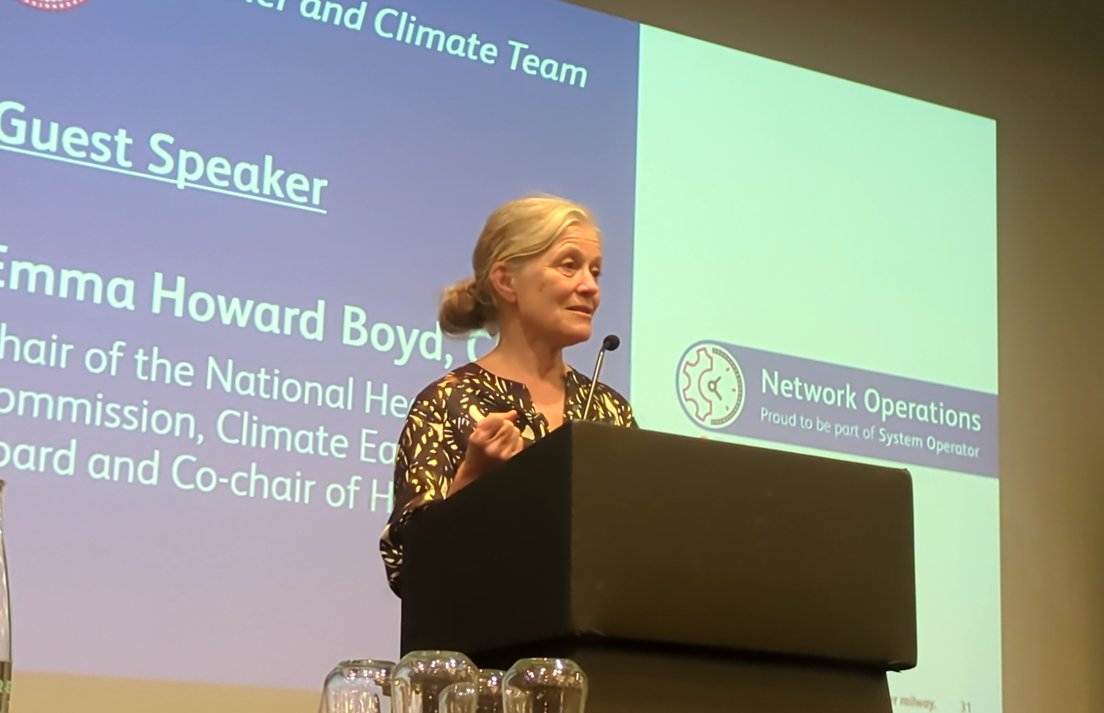
Building the railway Britain needs for a hotter, more volatile climate
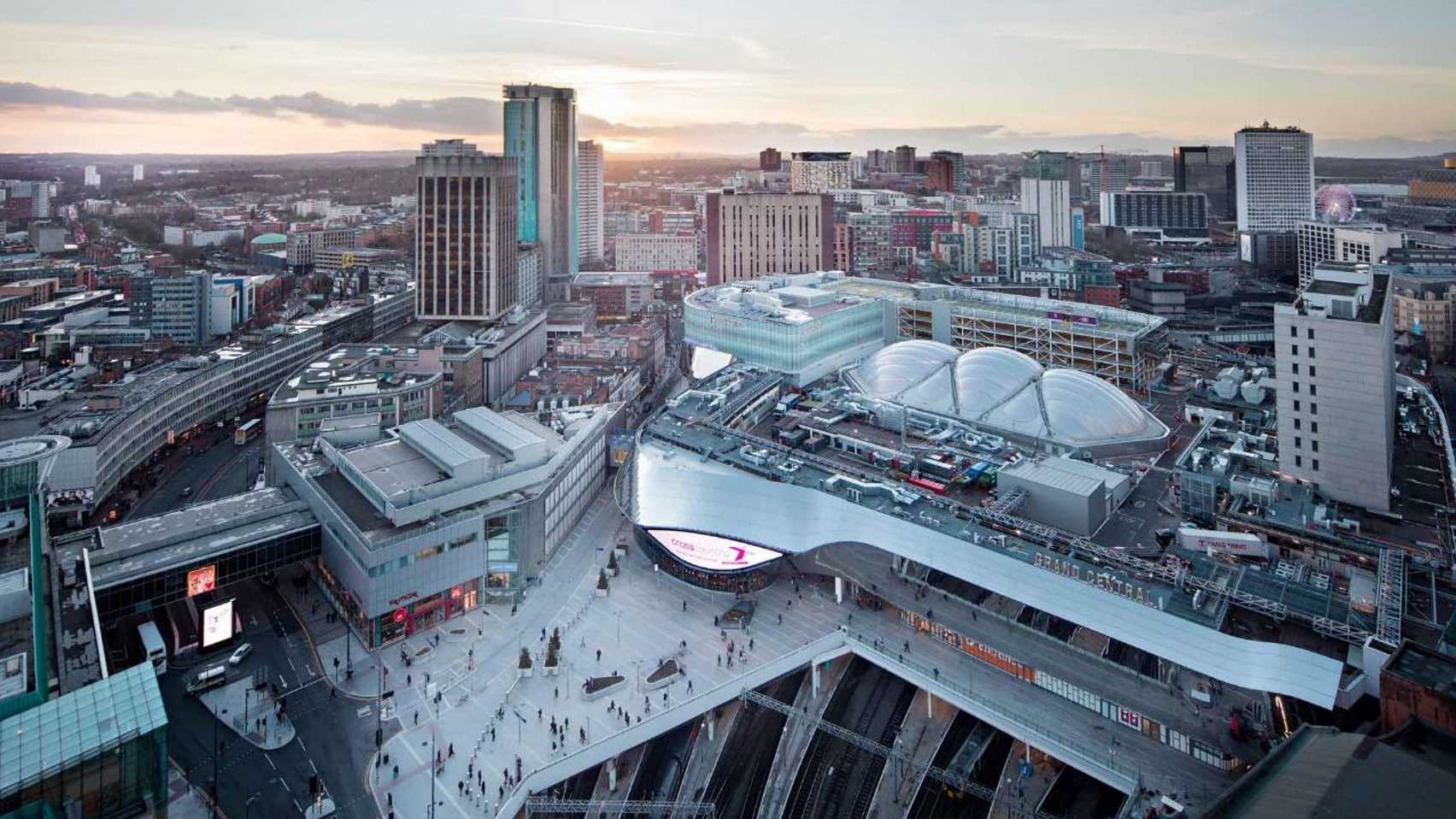
The conference brought together stakeholders and experts from across the rail industry to explore how to collectively respond to the challenges of weather resilience and climate adaptation, in a changing climate, and in a future of Great British Railways (GBR).
It's a pleasure to be in Birmingham, alongside colleagues who spend their careers, quite literally, keeping Britain moving, whatever the weather.
The timing could not be better. On Wednesday, the Climate Change Committee will publish its Well Adapted UK report. This is statutory independent advice to Government on climate risk and adaptation, given every five years, to inform the Government's Climate Change Risk Assessment and National Adaptation Programme. The report will highlight the risks we face, including heat, flooding and drought, and how the UK can be better protected from climate change.
For any country, railways are an artery system. If they fail, the economy weakens, and so do the communities that depend on it. For resilience professionals, that makes the railway one of the most visible tests of whether the United Kingdom is ready for the climate that is already here.
And it is already here. The climate the United Kingdom plans for is not the climate the United Kingdom now has. That is the starting point for everything that follows.
The National Heat Risk Commission, and why it exists
A short word first on the National Heat Risk Commission, because it shapes how I come to this conversation.
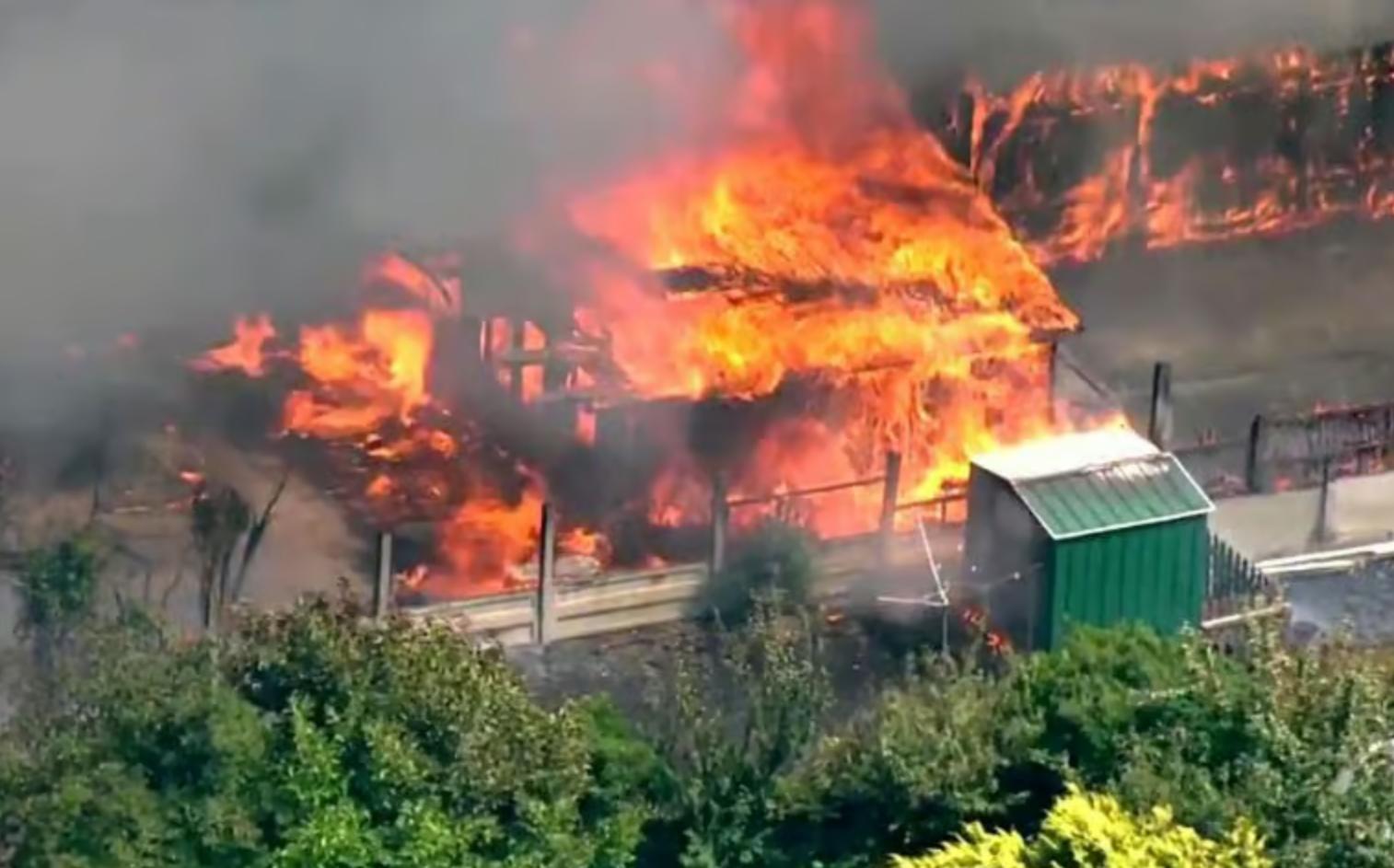
In July 2022, the UK passed forty degrees for the first time in recorded history. Runways softened. Rails buckled. Hospitals closed. A&E departments filled. Wildfires took hold in London suburbs. Nearly three thousand people died from heat-related causes that summer. Most of them did not need to.
The Met Office is clear. The summers we once called exceptional are on track to become typical within a generation.
Heat is not like the hazards our resilience systems were built to handle. A flood has a perimeter. A storm has a track. Heat has neither. It is an invisible transfer of energy that moves through bodies, buildings, materials and networks all at once, and it does so silently.
And heat does not arrive on its own. It compounds with other hazards: with air pollution, with drought, with wildfire, multiplying the harm of each. This is the cascading picture that resilience planning has to grapple with.
It is a systemic hazard, and it demands a systemic response. No single department, no single profession, no single tier of government can build resilience to it alone.
The case for action has been made in this country for more than a decade. Parliamentary committees, the Climate Change Committee, the UK Health Security Agency, universities, civil society. The country does not lack analysis. It lacks delivery. The Commission's job is to close that gap. We will publish an interim report this summer and a final report in summer 2027, gathering evidence on what is working, where the gaps are, and how to turn long-standing recommendations into action.
The same pattern of strong evidence and slow delivery sits at the heart of what I want to say about rail.
Where we stand
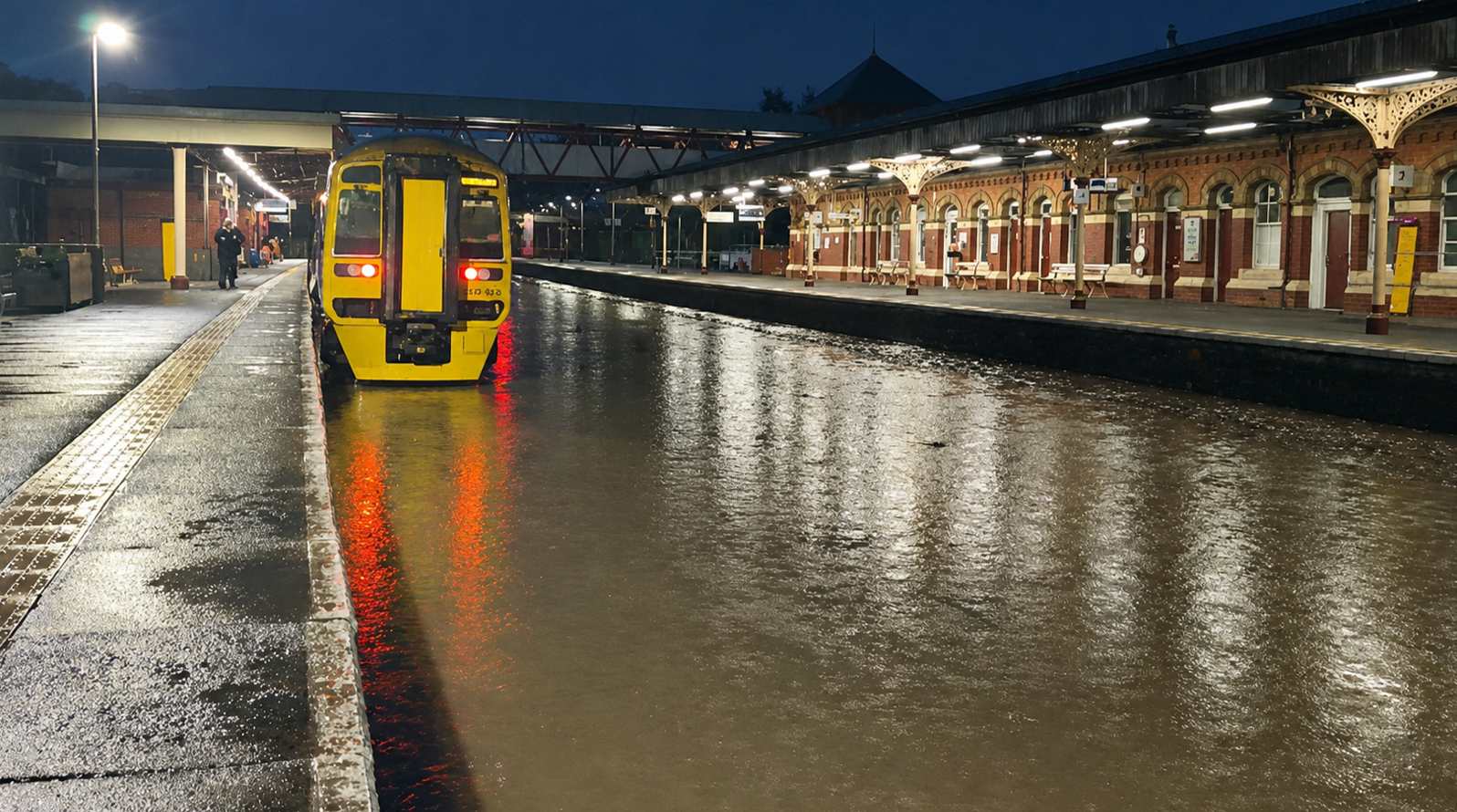
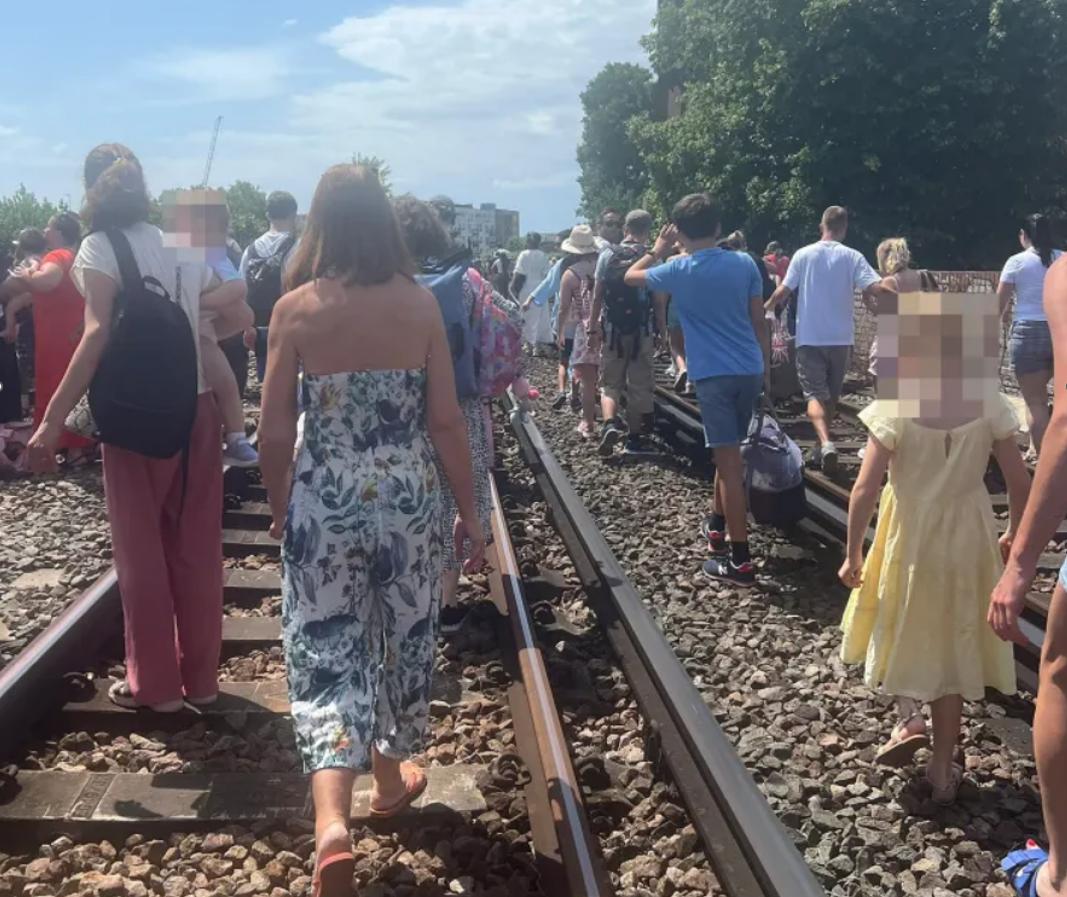
Last year alone, there were multiple days where heat, heavy rain or storms led to widespread disruption across Britain's network. The Office of Rail and Road recorded fifteen severely disrupted days between July and September. Six because of extreme heat, one because of a storm.
This is not unusual anymore. It is systemic. The "new normal" that meteorologists warned of twenty years ago is now the lived experience of drivers, engineers and passengers.
Record global ocean temperatures, and the latest El Niño, are a reminder that volatility, not stability, is the defining feature of our weather system.
The opportunity, and the risk
Rail has always been one of our lowest-carbon forms of transport. That makes it central to any credible path to net zero.
But low-carbon infrastructure is not automatically climate-resilient infrastructure.
If rails buckle in the heat, if landslips follow every intense rainfall, if signalling fails during storms, then the green alternative will not be a reliable alternative.
Adaptation and mitigation must proceed hand in hand. At the same time as electrifying more of the network and supporting modal shift, we need the same strategic commitment to resilience: cooling track systems, managing drainage, protecting power supply, designing stations for heat and flood, supporting staff and passengers in extremes.
Heat, and disruption, fall unevenly
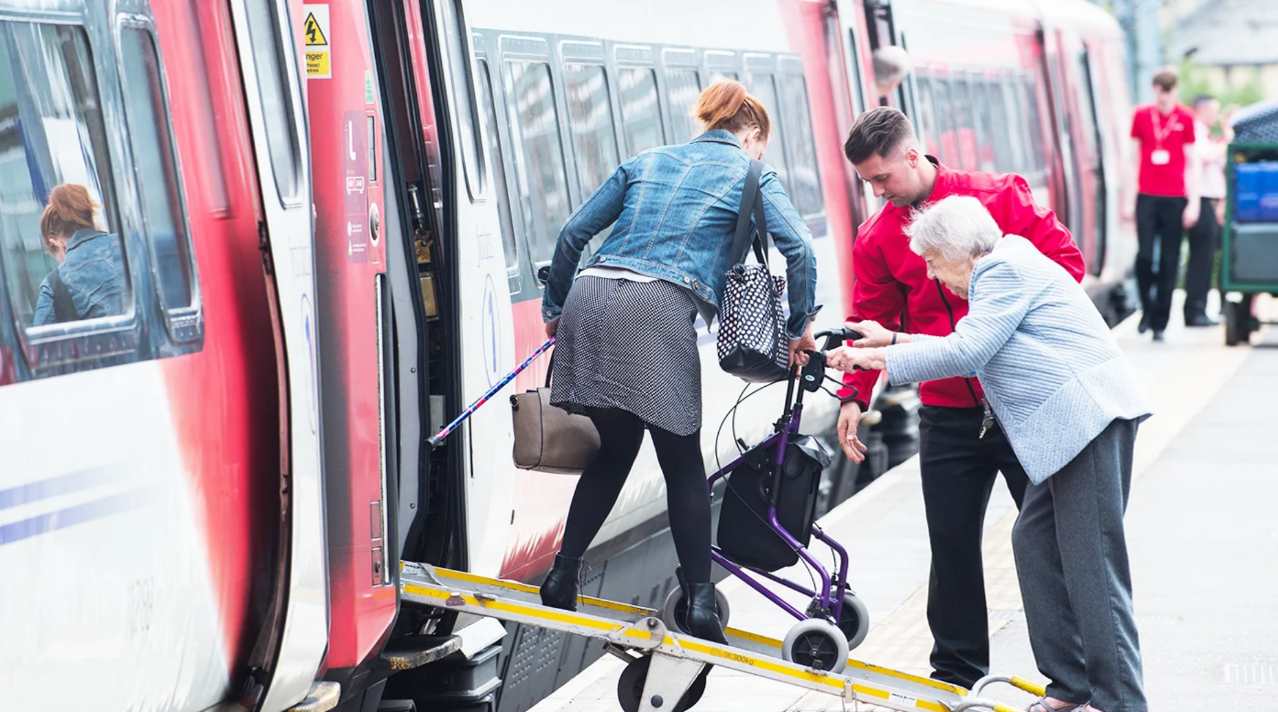
One point deserves more attention in resilience conversations: extreme weather does not affect everyone equally, and the pattern is not random.
On the railway, that plays out in several ways.
There is who is exposed: trackside and maintenance workers carrying out physical labour outdoors in heatwaves; signalling and control room staff in older buildings without effective cooling; passengers on rolling stock without modern ventilation.
There is who is most sensitive: older passengers, infants, pregnant women, people with cardiovascular or respiratory conditions, people with disabilities, people who depend on the railway for essential journeys to hospital, work or school and cannot simply stay home when the network struggles.
And there is who can adapt: those with the resources and flexibility to change their plans, work from home, or take an alternative route. Many cannot.
The communities most reliant on rail, and the workers who keep it running, are often the ones least insulated from its disruption.
Resilience that ignores this is partial resilience. A network that runs well most of the time but fails the people who depend on it most when conditions are hardest is not a resilient network.
The Great British Railways Bill: the missing link
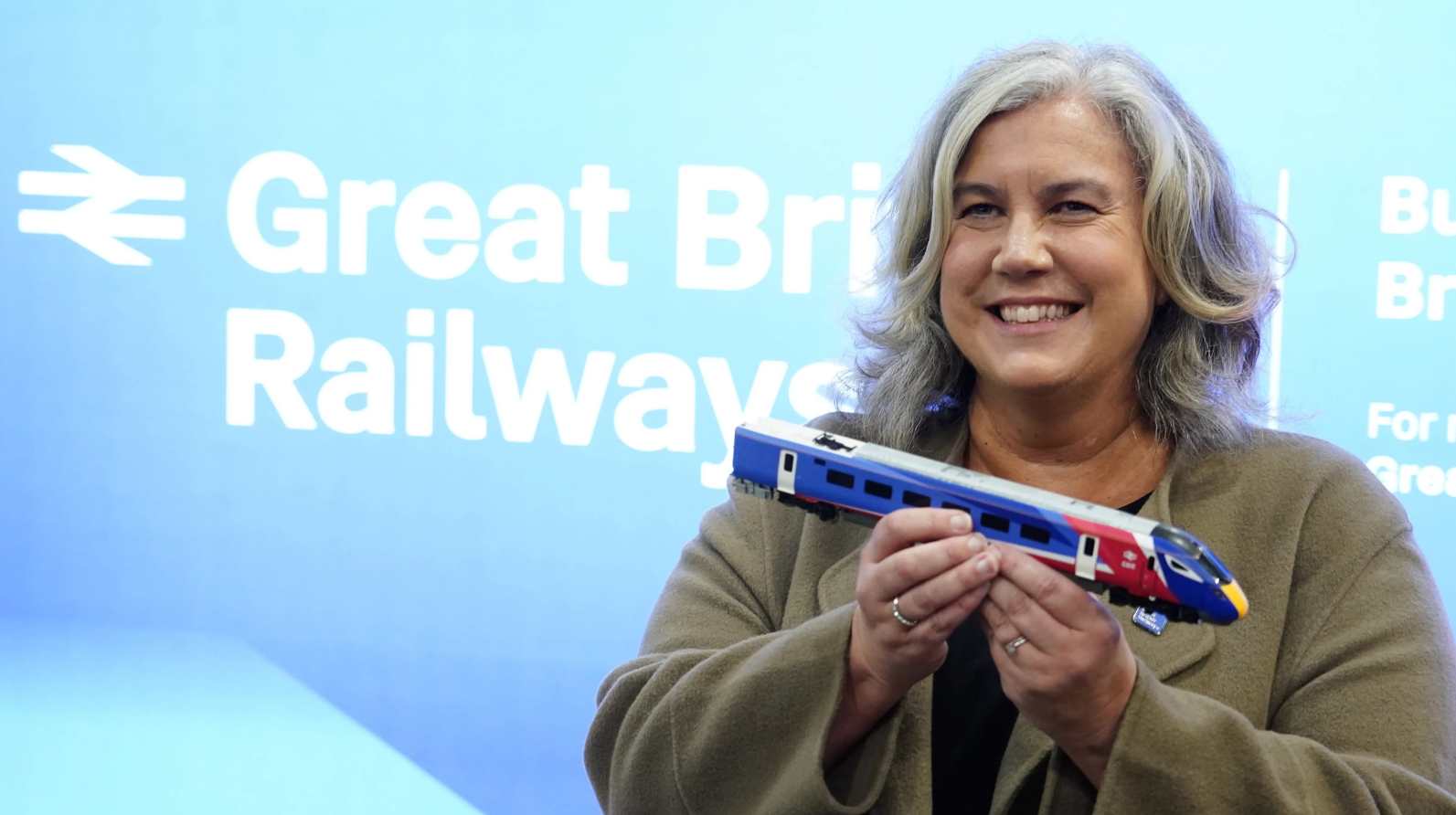
The creation of Great British Railways is a hugely exciting, once-in-a-generation reform. Bringing track and train together gives us the chance to align the entire system around shared goals: safety, reliability, affordability, and climate responsibility.
But when we look at the draft Railways Bill, one omission stands out. The Bill recognises "the effect railway services have on the environment." Yet it says almost nothing about the effect the weather and climate will have on the railway itself. Resilience and adaptation are largely absent, not only from the Bill, but from the impact assessment too.
And that matters. Because if Parliament is creating a body that will own and manage more than 50,000 hectares of land, while operating the majority of passenger services, then surely this is the moment to build climate resilience into its founding duties, not bolt it on afterwards.
A clear statutory duty on resilience, or even a requirement for regular climate risk assessments, would ensure that adaptation does not depend on short political cycles or changing priorities. Without that, the "directing mind" of Great British Railways risks being blind to the very shocks it will be expected to lead through.
Put simply: this Bill gives us a choice. We can build resilience into the railway now, or lock vulnerability into the system for decades to come. Once founding duties are set, they shape investment, priorities, and decision-making for generations. We will not get this moment again.
Learning from other sectors
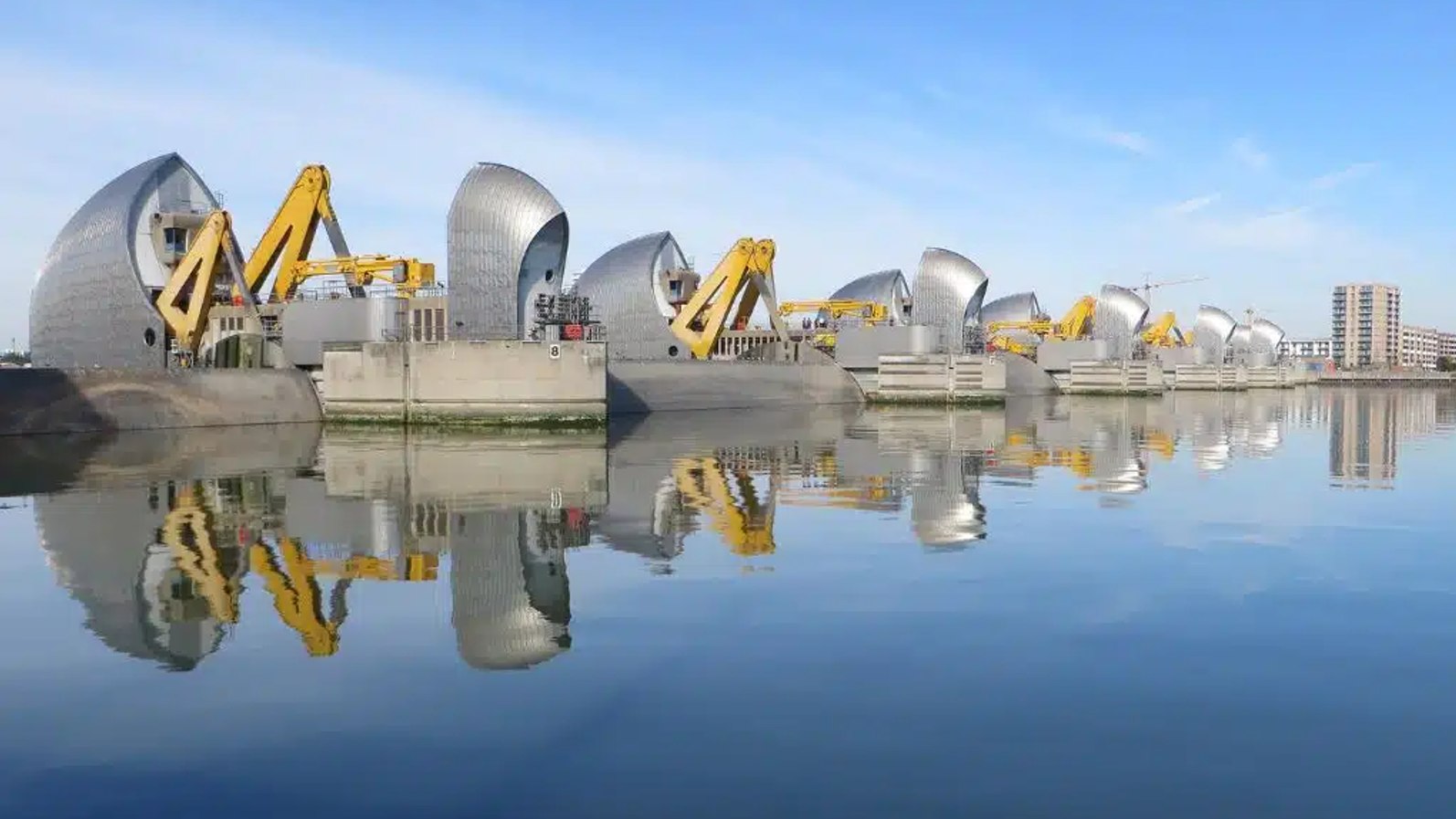
There are already examples we can learn from.
The National Energy System Operator, established under the Energy Act 2023, was given statutory responsibilities not only for whole-system planning, but for ensuring that Britain's energy infrastructure remains secure and resilient as climate and other risks increase.
That approach recognises a simple truth: resilience is not optional infrastructure policy. It is core national resilience policy. And if we can embed that principle in energy, we should embed it in rail as well.
Internationally, France, Spain and Germany have moved further than we have on heat governance, and their rail operators have moved with them. SNCF and Deutsche Bahn have invested in heat-resilient track, station cooling and operational protocols in ways the UK can learn from directly. There is no need for us to start from a blank page.
Strategy matters, but duty matters more
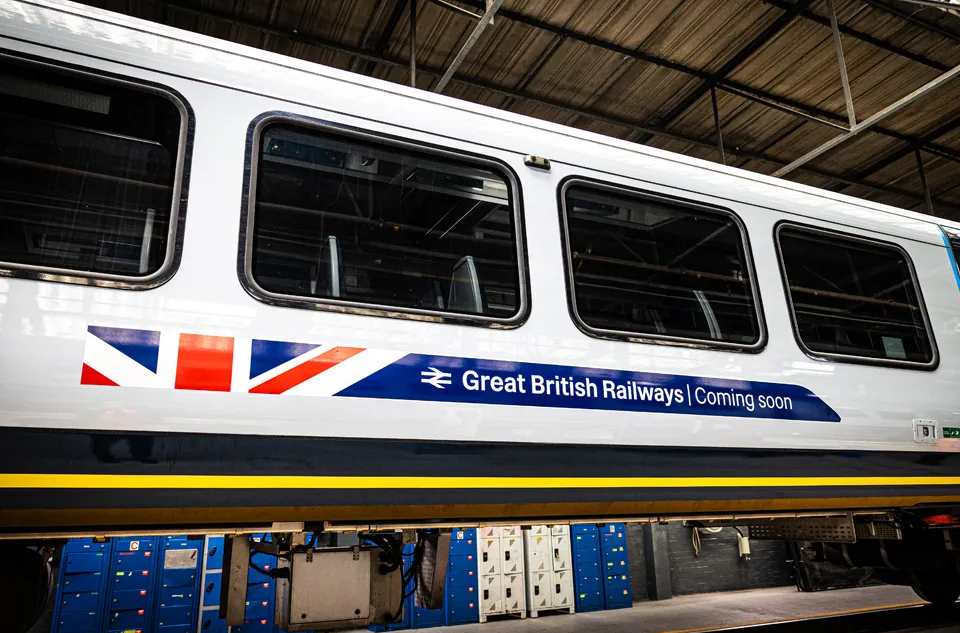
I appreciate that the Bill already provides for a Long-Term Rail Strategy, with five strategic objectives to guide decision-making.
You will know them well: meeting customers' needs; financial sustainability; long-term economic growth; reducing regional and national inequality; and environmental sustainability. Within that fifth objective sits the commitment to "protecting transport links by investing in climate adaptation."
But there is an important distinction between strategy and duty. The Government's own factsheet on the Long-Term Rail Strategy makes clear that it is not intended to be a "once and done" document. It can be revised by future administrations to reflect changing priorities.
That flexibility matters. No one can predict every technological or environmental change decades ahead.
But I learned during my time as Chair of the Environment Agency that where there is no statutory duty, there is too often delay, and underinvestment, in the very measures that protect the people, places, and infrastructure we value most.
So if this sounds ambitious, I would simply say this: resilience is not an environmental add-on. It is the business model for continuity.
What resilience looks like in practice
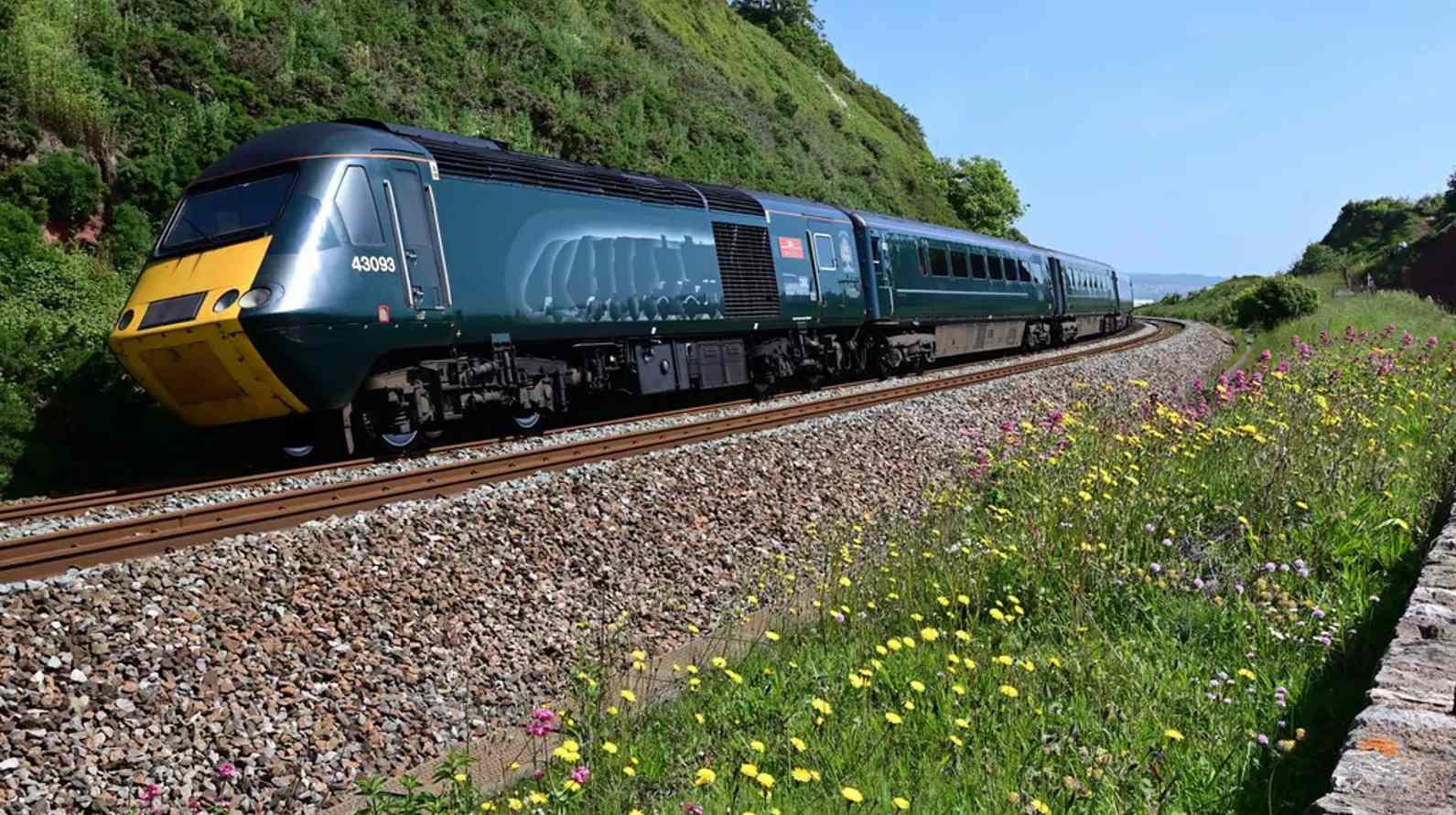
Across the Network Rail regions, you are already proving what works: nature-based solutions that both stabilise slopes and store carbon; predictive maintenance using sensor data to forecast weather-related failures; heat-resilient track design drawing on international collaboration; and joint weather operations rooms linking meteorologists and controllers in real time.
These are the building blocks of a climate-ready railway. They also create skilled jobs and save public money long-term.
Think of each regional success not as a pilot, but as a precedent.
And think of GBR's future land estate, larger than the National Trust's in some regions, as a chain of green corridors for wildlife and for human wellbeing. Railway land can be a living demonstration of the United Kingdom's commitment to a nature-positive economy.
Partnership and collective action
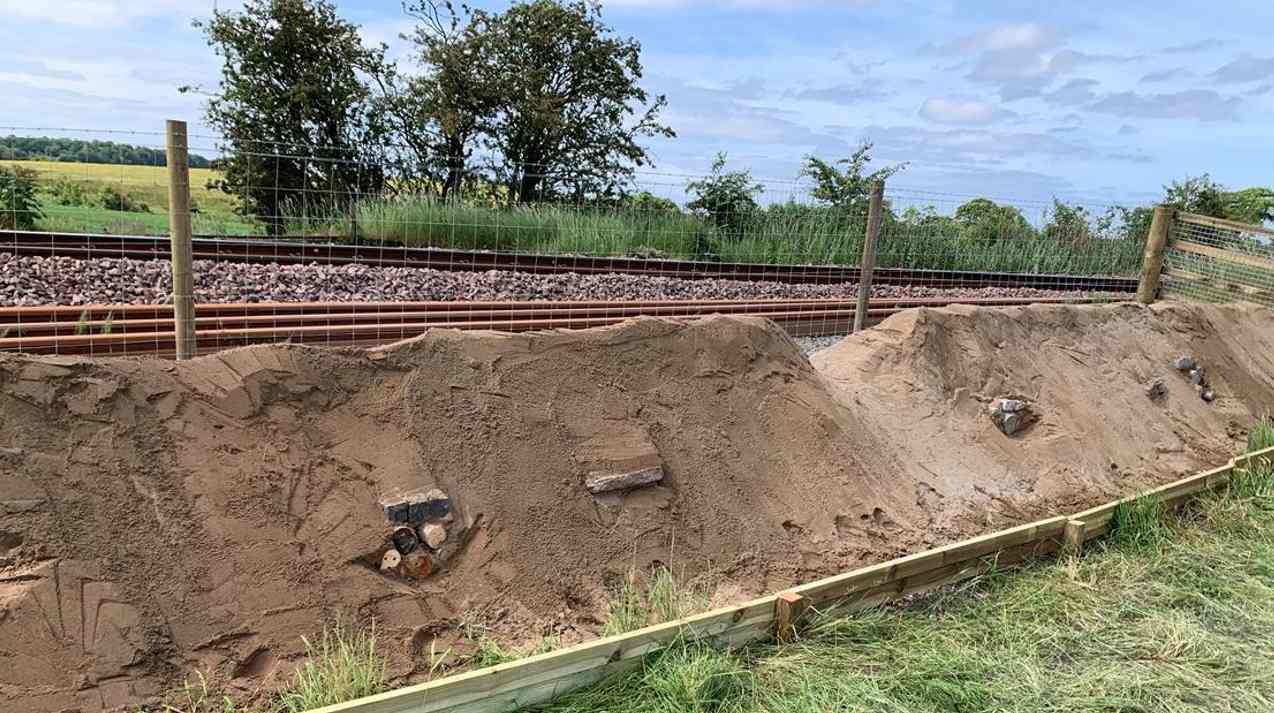
The Birmingham conference asked three simple questions. How can we help each other? What can we learn from other industries? And how do we move towards collective action?
My answer is this.
Help each other, by linking climate resilience into every decision-making process, from procurement to performance metrics.
Learn from others, by borrowing the adaptive planning techniques of water, energy and insurance, where every asset is stress-tested against future climate projections.
And take collective action, by aligning the incentives of government, operators, engineers and financiers so that resilience is rewarded, not postponed.
Adaptation is everyone's shared mandate. You cannot decarbonise a railway that cannot run in a heatwave.
The bigger picture
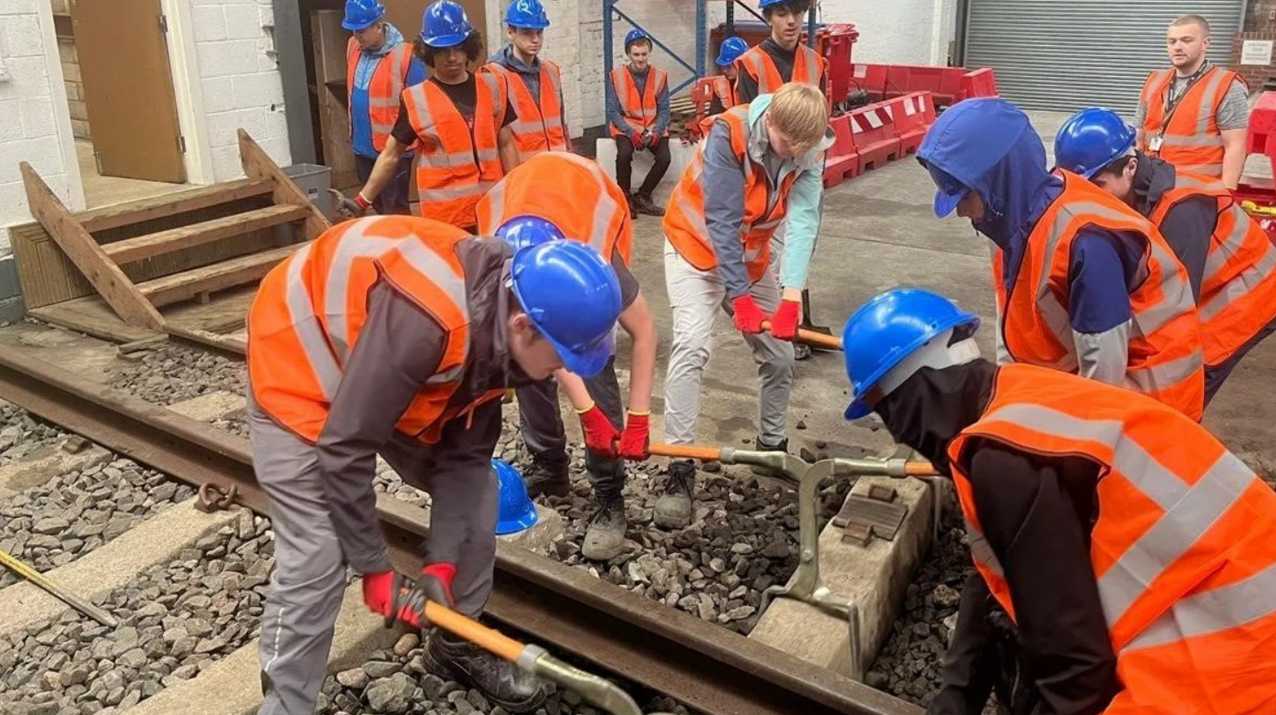
NISTA, the National Infrastructure and Service Transformation Authority, calls for long-term certainty. The Institution of Civil Engineers warns of a skills gap in delivering it. So every infrastructure bill, including this one, is an opportunity to invest not only in assets, but in capability.
In the next few years, billions of pounds will flow through GBR. If that money is guided by climate intelligence, it will strengthen the backbone of Britain. If not, the consequences will be felt for a century.
And the stakes are wider than the railway itself. If we do not radically rethink how we prepare for floods and heatwaves, we invite the politics of anger to take root in the cracks of our crumbling infrastructure.
Resilience is not only an engineering question. It is a question of public trust, of whether the country still works for the people who depend on it.
Closing reflections
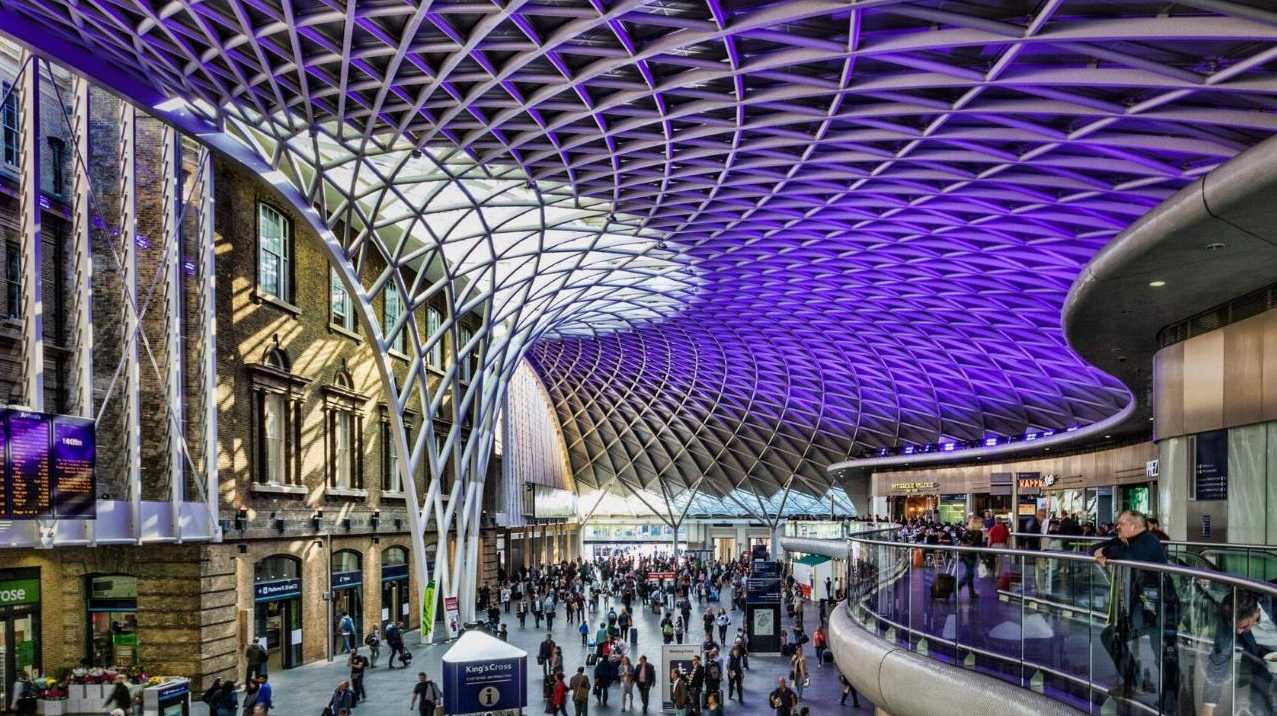
We often say the climate crisis is global, but adaptation is local. The stretch of track outside Birmingham is different from the viaducts of the Highlands or the cuttings of Cornwall.
What links them is human ingenuity: engineers, planners and operators using evidence to keep people safe and the country connected.
As we enter another summer likely shaped by El Niño and record ocean warmth, I would encourage everyone reading this to see yourselves not only as railway professionals, but as part of the United Kingdom's climate-resilience system.
Every data point, every decision, every repaired embankment moves us from reactive recovery to proactive resilience.
The summer of 2022 showed us the country we have. The work ahead, on rail and far beyond it, is to build the country we need.
Let us ensure the next generation can depend on a railway that serves them in any weather.